Curator's Note
There is a moment in Fidā when the image of a single tear running through orange paint becomes devastating.Read full curator note →
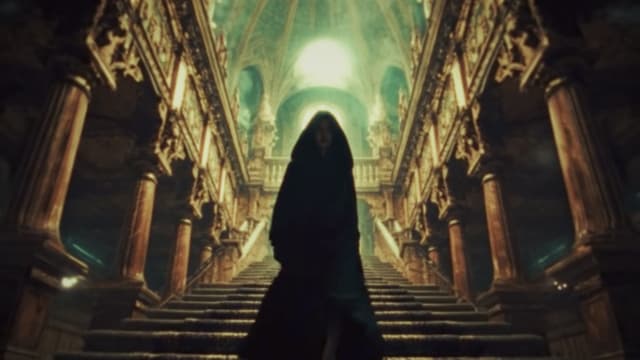
It opens with striking, symbolic beauty. A close up of a woman with shaved head and intricate orange markings on her dark skin. Then the film moves between two worlds: a sacred, torch lit underground chamber where hooded figures stand in ritual, and a man kneeling on red earth, hands clasped, waiting. The cinematography is rich and cinematic, full of dust, dramatic light beams, and heavy atmosphere. Everything feels ancient, solemn, and intentional.
As the film progresses, the images layer with quiet intensity. The woman's tear falls. The man sits in quiet acceptance. A hooded figure approaches with a blade. A circle of watchers stands in silence. There is almost no dialogue. The story is told entirely through composition, performance, and atmosphere. Yet you understand exactly what is happening: a willing sacrifice, an act of devotion, a life given for something larger.
What makes Fidā special is how confidently it embraces restraint. mr.latent trusts the visuals to carry the emotional weight. The orange markings, the red earth, the contrast between stillness and ritual tension, every choice feels deliberate. The film never rushes. It lets silence and image do the work that most shorts try to force with voice over or exposition. In just 84 seconds, it creates a complete ritual world that feels lived in and spiritually heavy. The final title card arrives like the closing of a prayer.
Where most AI films are busy showing what they can generate, Fidā puts every tool in service of tone, symbolism, and emotional precision. It proves a short can feel sacred, ancient, and deeply human even when the technology behind it is brand new. In 84 seconds it builds a complete ritual world and trusts you to feel its weight. That discipline is what sets the film apart.
There is a moment in Fidā when the image of a single tear running through orange paint becomes devastating.
Read full note ↓
It opens with striking, symbolic beauty. A close up of a woman with shaved head and intricate orange markings on her dark skin. Then the film moves between two worlds: a sacred, torch lit underground chamber where hooded figures stand in ritual, and a man kneeling on red earth, hands clasped, waiting. The cinematography is rich and cinematic, full of dust, dramatic light beams, and heavy atmosphere. Everything feels ancient, solemn, and intentional.
As the film progresses, the images layer with quiet intensity. The woman's tear falls. The man sits in quiet acceptance. A hooded figure approaches with a blade. A circle of watchers stands in silence. There is almost no dialogue. The story is told entirely through composition, performance, and atmosphere. Yet you understand exactly what is happening: a willing sacrifice, an act of devotion, a life given for something larger.
What makes Fidā special is how confidently it embraces restraint. mr.latent trusts the visuals to carry the emotional weight. The orange markings, the red earth, the contrast between stillness and ritual tension, every choice feels deliberate. The film never rushes. It lets silence and image do the work that most shorts try to force with voice over or exposition. In just 84 seconds, it creates a complete ritual world that feels lived in and spiritually heavy. The final title card arrives like the closing of a prayer.
Where most AI films are busy showing what they can generate, Fidā puts every tool in service of tone, symbolism, and emotional precision. It proves a short can feel sacred, ancient, and deeply human even when the technology behind it is brand new. In 84 seconds it builds a complete ritual world and trusts you to feel its weight. That discipline is what sets the film apart.
Film Details
Runtime1:25
SourceHosted on Wondra
Modelblender, comfyUI, Davinci resolve
Tools
sci-fi-dystopianretro-vibesurreal-dream
About the Director
Continue Founding Season 1
Eight films were selected for the inaugural Wondra season.